This is an excellent and insightful question. It highlights the crucial gap between knowing and doing, a central challenge in public health and nutrition. Even when a superfood like moringa is accessible and its benefits are known, several powerful barriers can prevent regular consumption.
Here are the main reasons, categorized for clarity.
1. Sensory and Culinary Barriers
This is often the biggest hurdle. People eat with their senses first.
- Unpleasant Taste: Moringa leaves, especially when dried into a powder, have a distinct, strong flavor often described as bitter, grassy, or "earthy." For many, this is off-putting and difficult to mask, especially for children.
- Texture Issues: Fresh moringa leaves can have a slightly tough texture. The powder, if not finely ground or added to the wrong dish, can create a gritty or dusty mouthfeel that people find unpleasant.
- Lack of Culinary Know-How: Knowing that something is healthy is different from knowing how to incorporate it into daily meals in a tasty way. If a person only knows to add the powder to water (which tastes bad) or to boil the leaves into a bland mush, they're unlikely to stick with it. They lack simple, appealing, and culturally appropriate recipes.
2. Psychological and Behavioral Barriers
These are deeply ingrained habits and cognitive biases.
- Force of Habit: Food choices are driven by routine. It's much easier to stick with familiar ingredients and dishes. Introducing a new food, even a healthy one, requires conscious effort, planning, and a break from established routines. For a busy person, this mental load is a significant barrier.
- The "It's Medicine, Not Food" Mindset: When a food is heavily marketed for its medicinal properties, it gets mentally categorized as a "treatment" rather than a "food." People may only reach for it when they feel sick, rather than incorporating it into their daily diet for prevention and wellness. No one wants to feel like they're taking medicine at every meal.
- Optimism Bias / Low Perceived Risk: The benefits of moringa (like improved immunity, stable energy) are long-term and preventative. The "cost" of eating it (the taste, the effort) is immediate. The human brain is wired to prioritize immediate discomfort over abstract, future benefits. If a person feels "healthy enough," the motivation to overcome the immediate barrier is low.
- All-or-Nothing Thinking: Some people believe that to get the benefits, they need to consume a large, unpalatable amount (like a full glass of raw leaf juice). They aren't aware that consistent, small additions (like a teaspoon of powder in a sauce) are just as effective and far more sustainable.
3. Practical and Logistical Barriers
Even when a resource is "easily available," practical challenges can remain.
- Preparation is Labor-Intensive: While the tree may be in the backyard, fresh moringa leaves need to be stripped from the tough stems, which is a tedious and time-consuming process. For a working parent, this extra step can be a deal-breaker.
- Perishability: Fresh moringa leaves wilt and spoil within a few days. Without knowledge of proper storage (like drying, freezing, or refrigerating in a specific way), a household might let a fresh harvest go to waste, leading to frustration and a reluctance to harvest more.
- Inconsistent Quality: "Easily available" might mean a tree in the neighborhood, but if the leaves are tough, bitter due to the season, or perceived as "dirty" (from dust, insects, or dogs in urban areas), the barrier to using them increases.
4. Cultural and Social Factors
Food is deeply cultural, and new foods can face social resistance.
- Lack of Cultural Integration: In many regions where moringa is native (like parts of Africa and South Asia), it is a traditional food. But in places where it's been newly introduced as a "superfood," it lacks a cultural foothold. It’s seen as a novelty for the health-conscious, not a staple ingredient like spinach or kale.
- Family Acceptance: A parent or cook may be willing to try moringa, but if their spouse or children reject the taste or the "green" color it adds to food, they will stop using it to avoid mealtime conflict. The effort of cooking two separate meals is unsustainable.
- Skepticism of "Hype": The aggressive marketing of moringa as a "miracle tree" can create skepticism. Some people may dismiss it as just another passing health fad, assuming the benefits are exaggerated and therefore not worth the effort.
5. Physical and Digestive Factors
- Digestive Discomfort: Moringa leaves are high in fiber and certain compounds. When consumed in large quantities without being cooked properly or introduced gradually, they can cause bloating, gas, or mild stomach upset. A person who experiences this once is unlikely to try again.
Summary: How to Overcome These Barriers
Understanding these reasons points to solutions. Simply telling people moringa is "good for them" isn't enough. Successful strategies focus on:
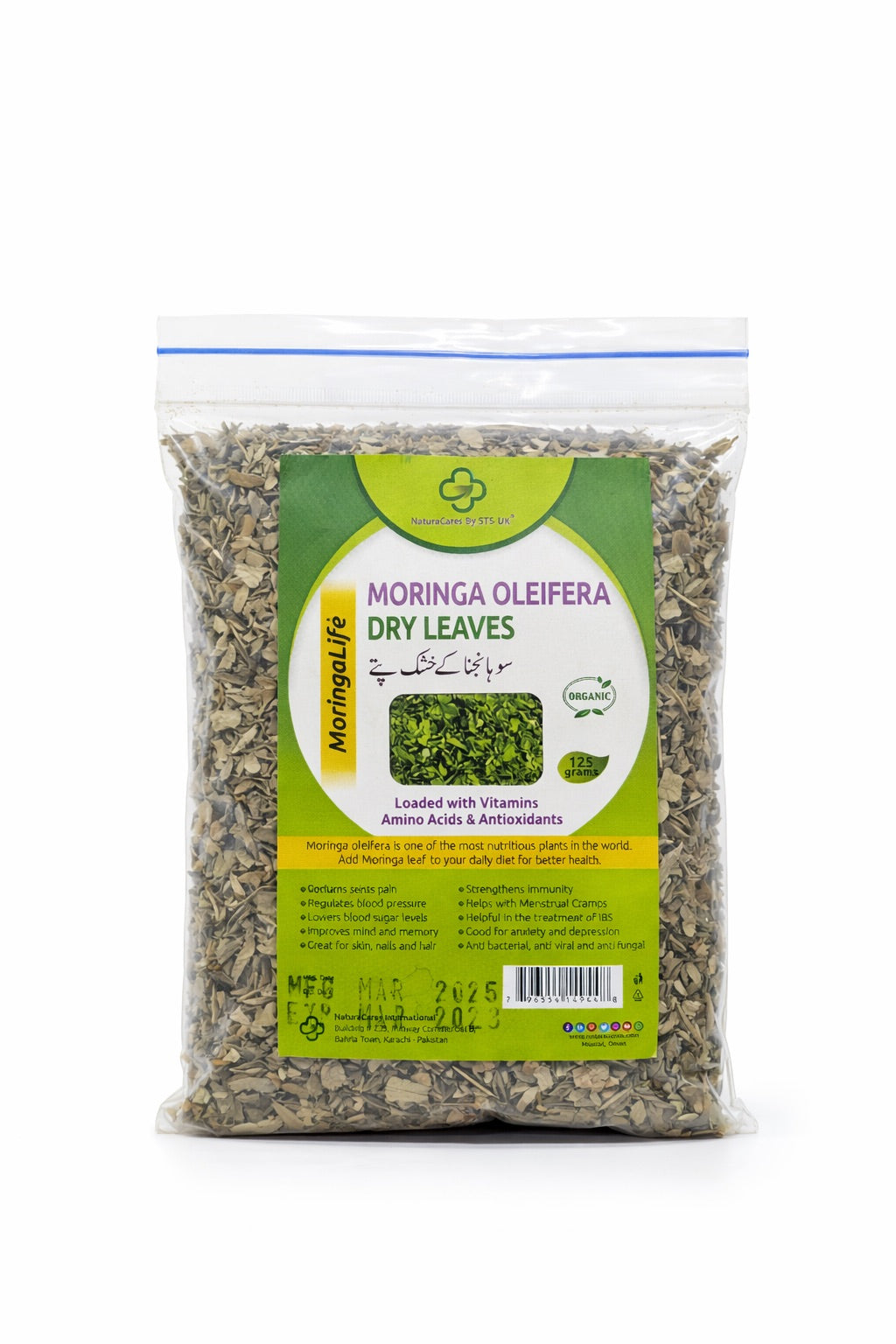
- Simplifying Preparation: Selling pre-stripped frozen leaves, high-quality powder in small packages, or moringa-infused staples (like pasta or chapatis).
- Providing Recipes, Not Just Information: Sharing easy, delicious recipes that mask the taste well (e.g., in pesto, smoothies with fruit, hearty stews, or savory pancakes).
- Making it a "Food," Not a "Supplement": Integrating it into familiar, beloved dishes so it becomes part of the culinary culture, not a separate health chore.
- Starting Small: Encouraging a "teaspoon a day" approach to make the habit easy to start and sustain without digestive or taste shock.
In short, the gap between awareness and consumption is filled by the realities of taste, habit, effort, and culture. Addressing these practical and psychological factors is key to turning a readily available superfood into a consistently consumed staple.